
No-Dig Services
Trenchless Methods And Contractor Capability
No Dig Ltd supports underground pipe, cable, drainage and utility works using no-dig and trenchless methods that reduce open excavation, reinstatement and disruption.
The right method depends on the site, route, ground conditions, depth, access, pipe or duct size and the service being installed, replaced or accessed. This page gives an overview of the main methods and where each one may be suitable.
Method Selection
Choosing The Right Trenchless Method
Choosing the right no-dig method starts with the site conditions and the service being installed or replaced. Factors such as pipe size, route length, depth, ground type, access points, nearby utilities and surface restrictions all affect the best approach.
Route Length
Short service runs, medium crossings and longer routes can each point towards different boring, drilling, jacking or renewal methods.
Pipe Or Duct Size
The outside diameter, material and service type affect the equipment, launch area and installation method.
Ground Conditions
Known ground information helps assess bore stability, spoil removal, steering and the suitability of each method.
Depth And Alignment
Some routes need tight line, level and gradient control, while others need a steerable bore path around constraints.
Access Points
Launch pits, reception pits, chambers, compounds and working space all influence what can be delivered on site.
Roads, Rail And Utilities
Surface restrictions, nearby services and sensitive infrastructure often make a targeted no-dig approach more practical.
Service Group
New Underground Installations
These methods are used to form new underground routes for pipes, ducts, cables, casings and drainage runs. The best choice depends on the required accuracy, bore length, pipe size, ground and access.
Guided Augering
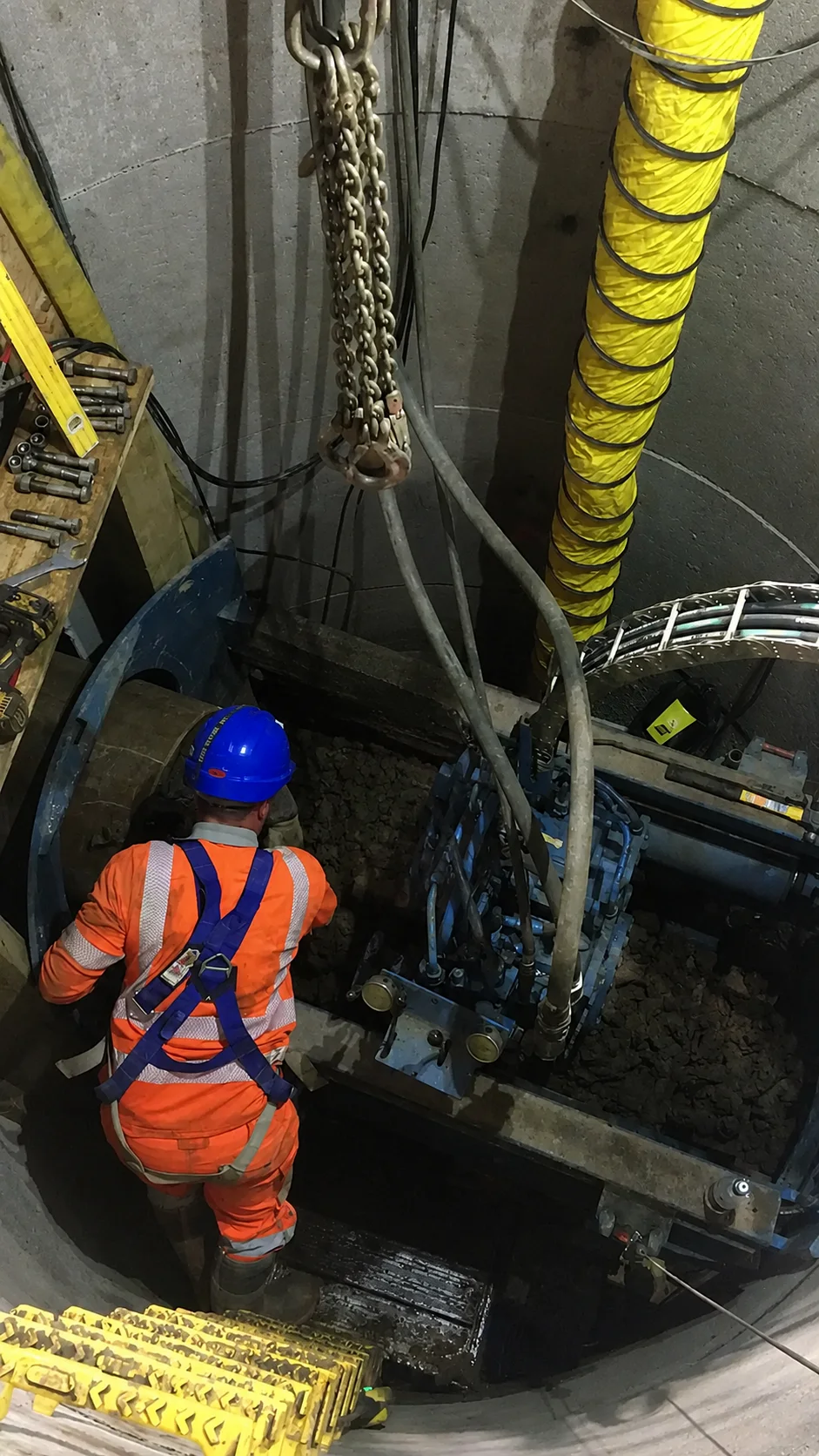
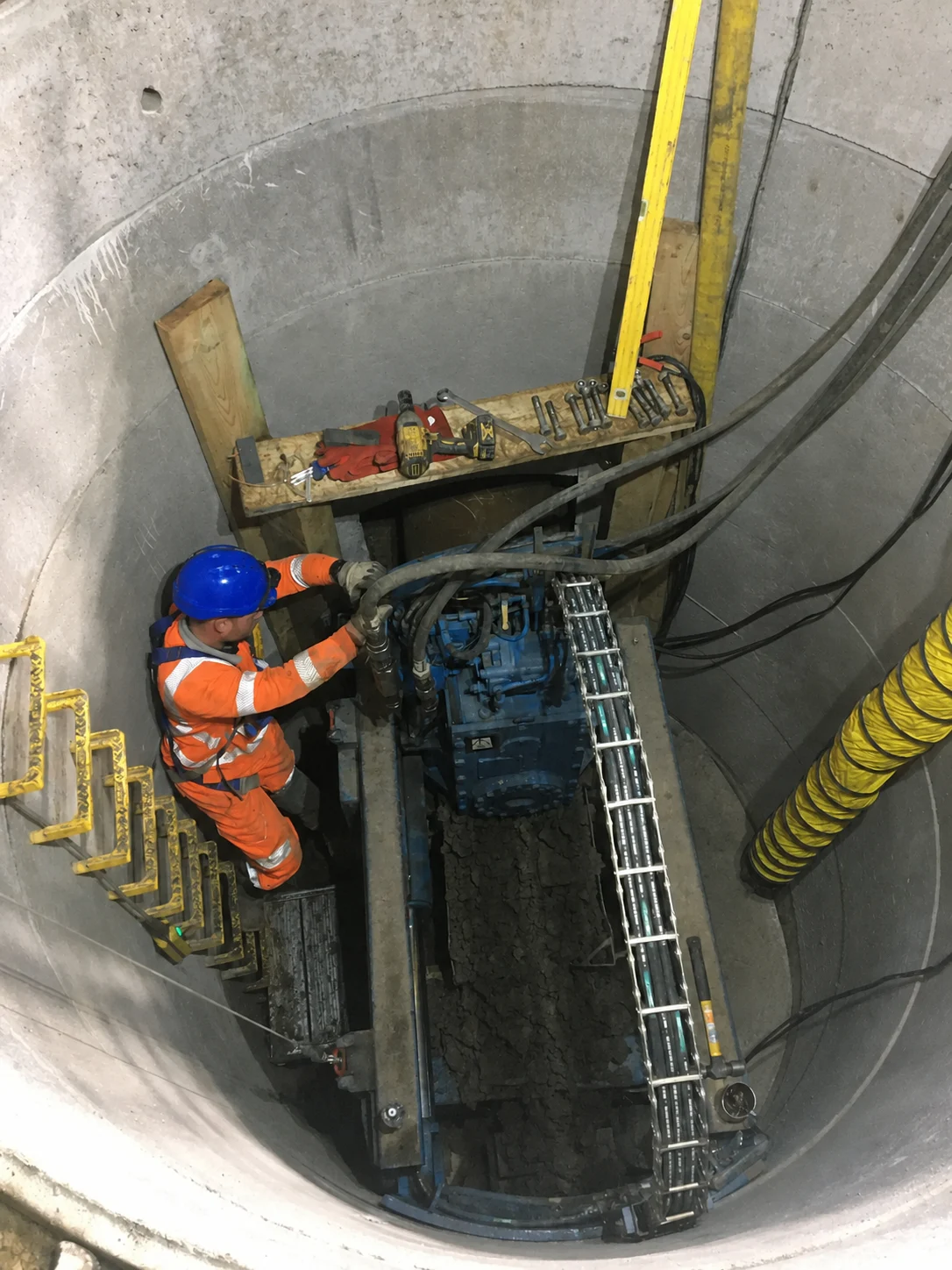
Guided augering is used where line, level and gradient control are important for a new pipe, duct or casing route.
View Guided AugeringView Clapham Junction Case Study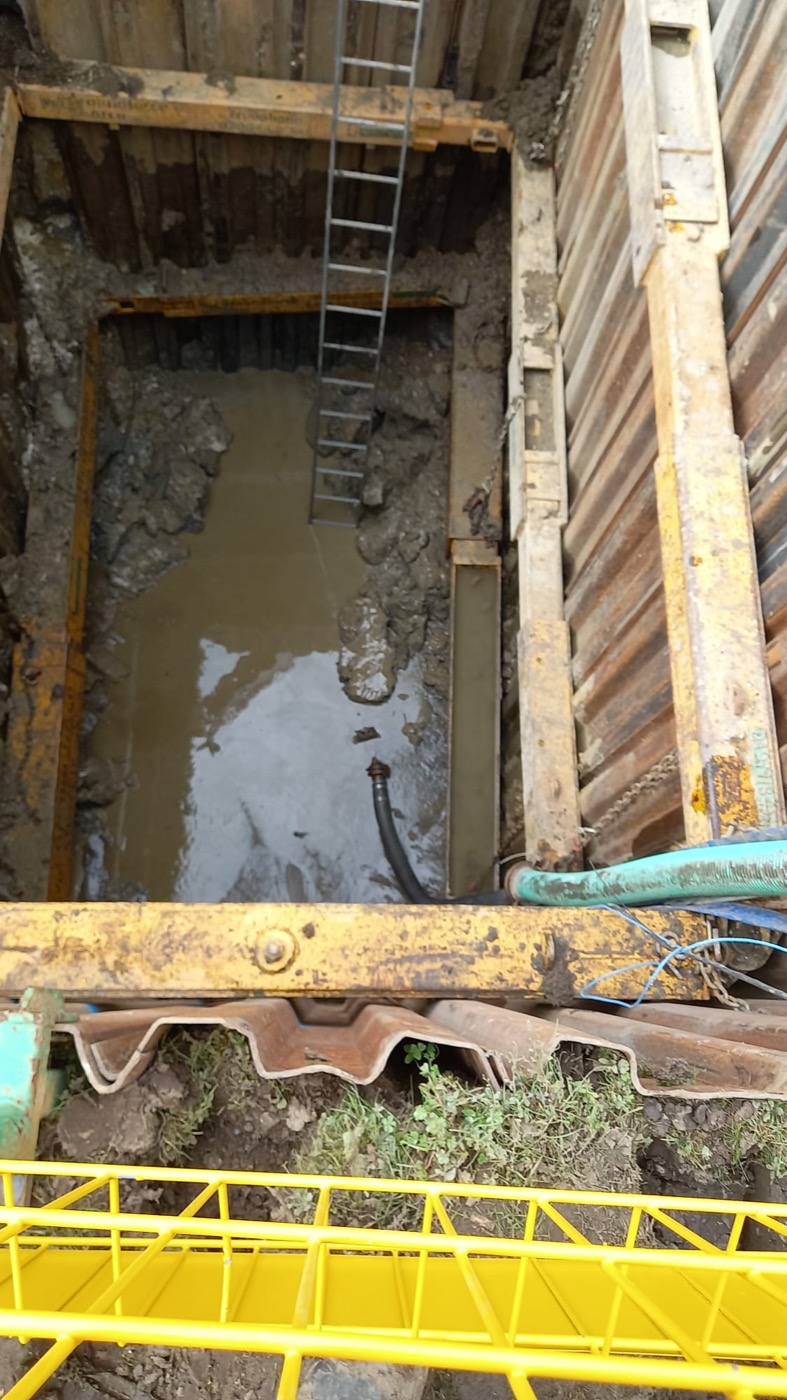
Augering
Augering uses rotating augers to bore through the ground and remove spoil while pipe, duct or casing is installed.
View AugeringView Stowmarket Augering Case Study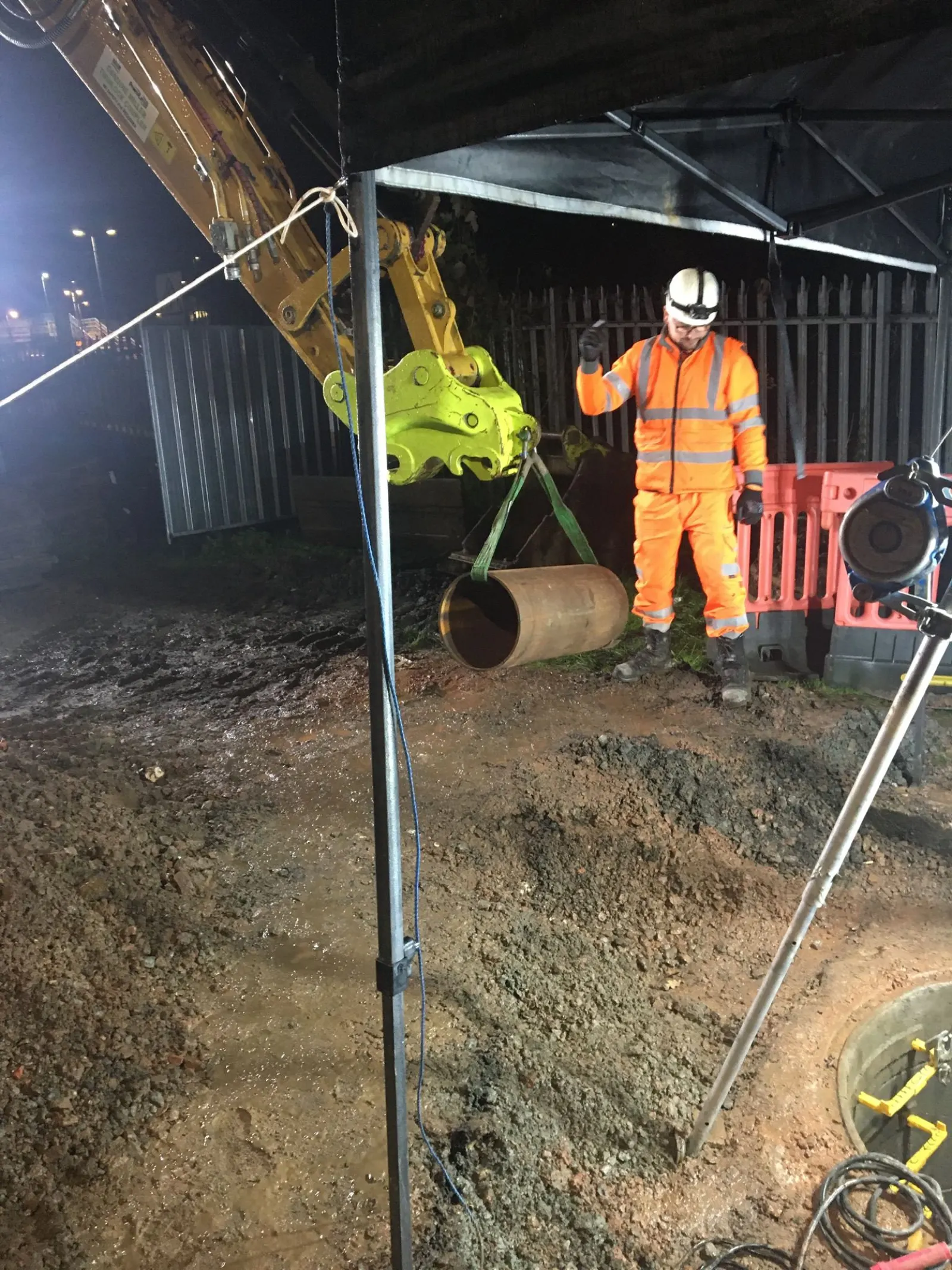
Pipe Jacking
Pipe jacking pushes pipe sections through the ground from a launch shaft or pit to form a new underground route.
View Pipe JackingView Northolt Case Study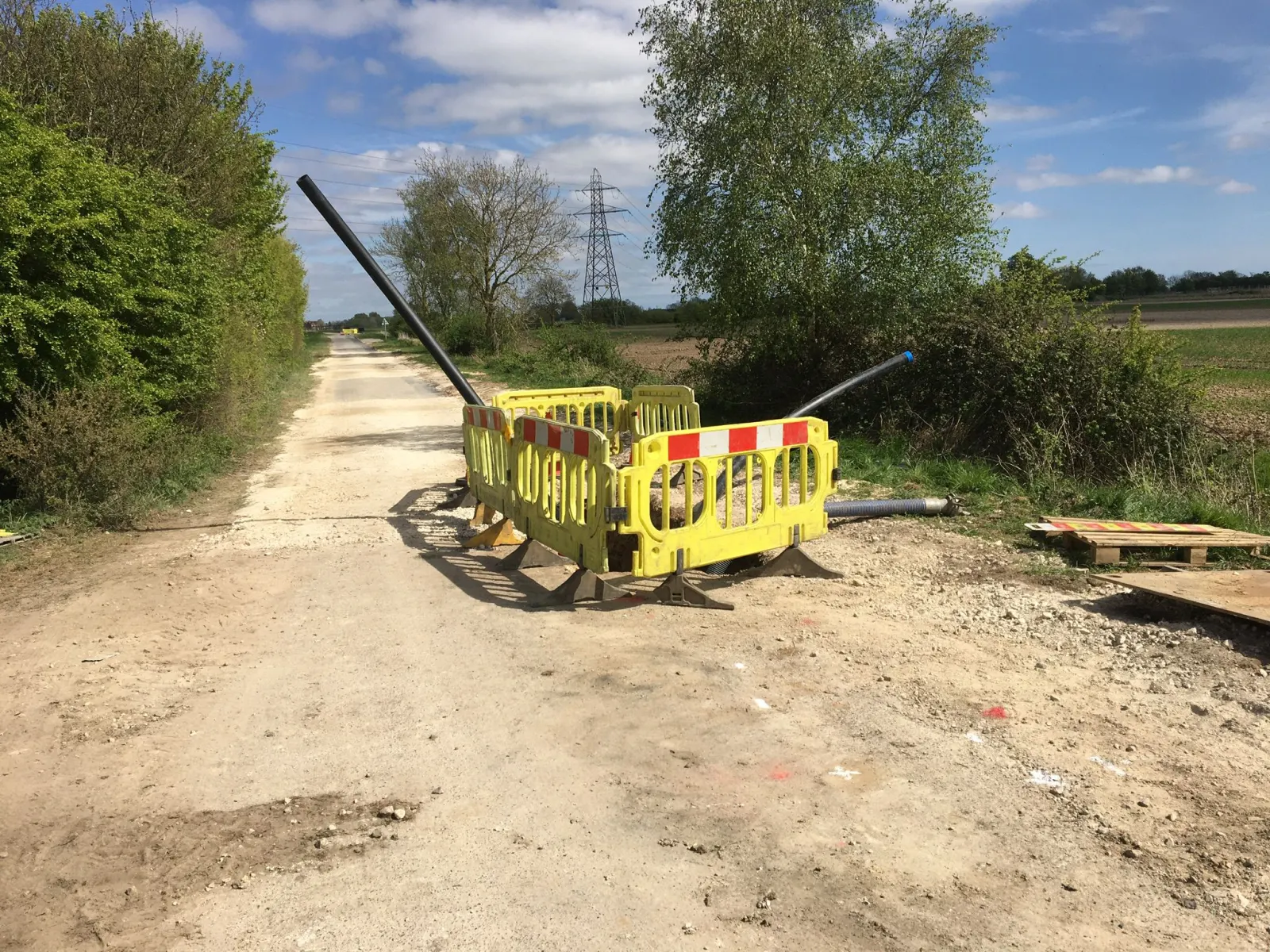
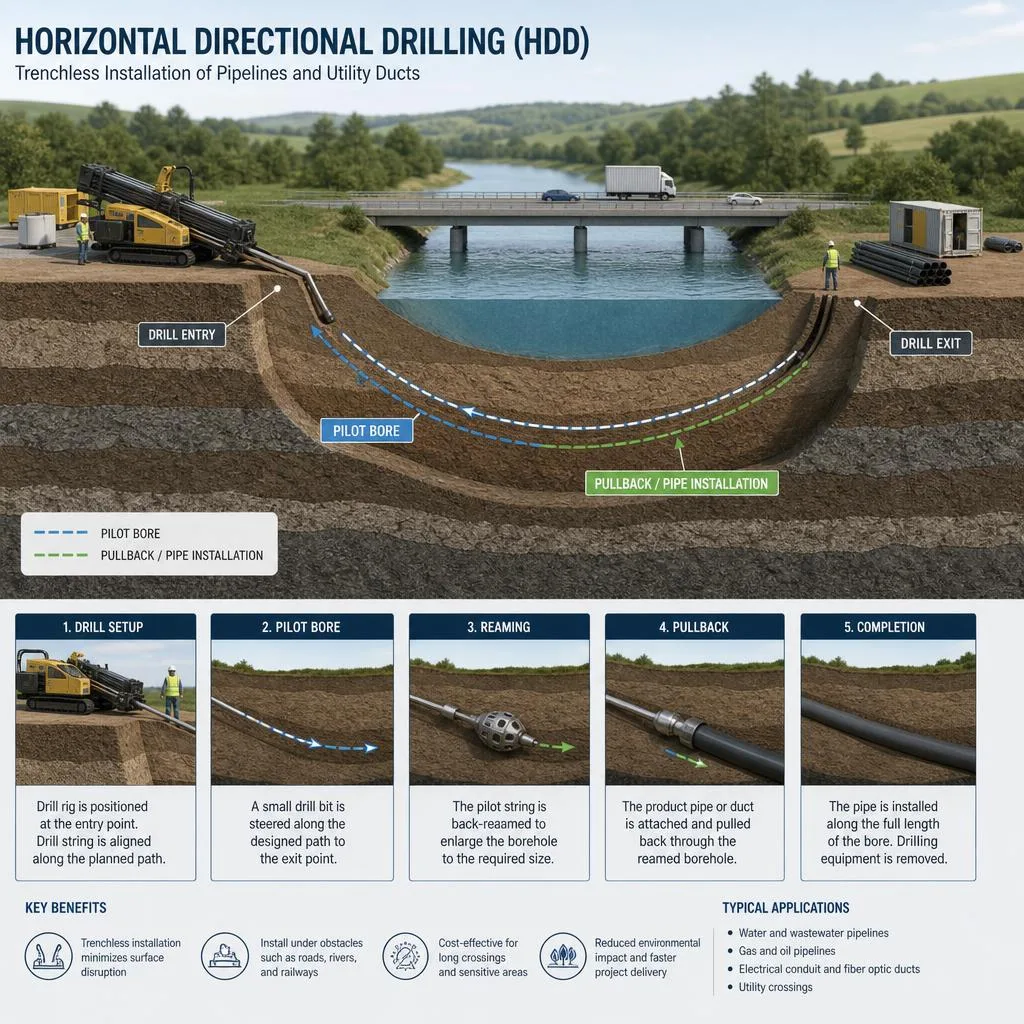
Horizontal Directional Drilling
HDD is a steerable trenchless method for installing pipes, ducts or cables along a controlled bore path.
View HDDView Boston HDD Case Study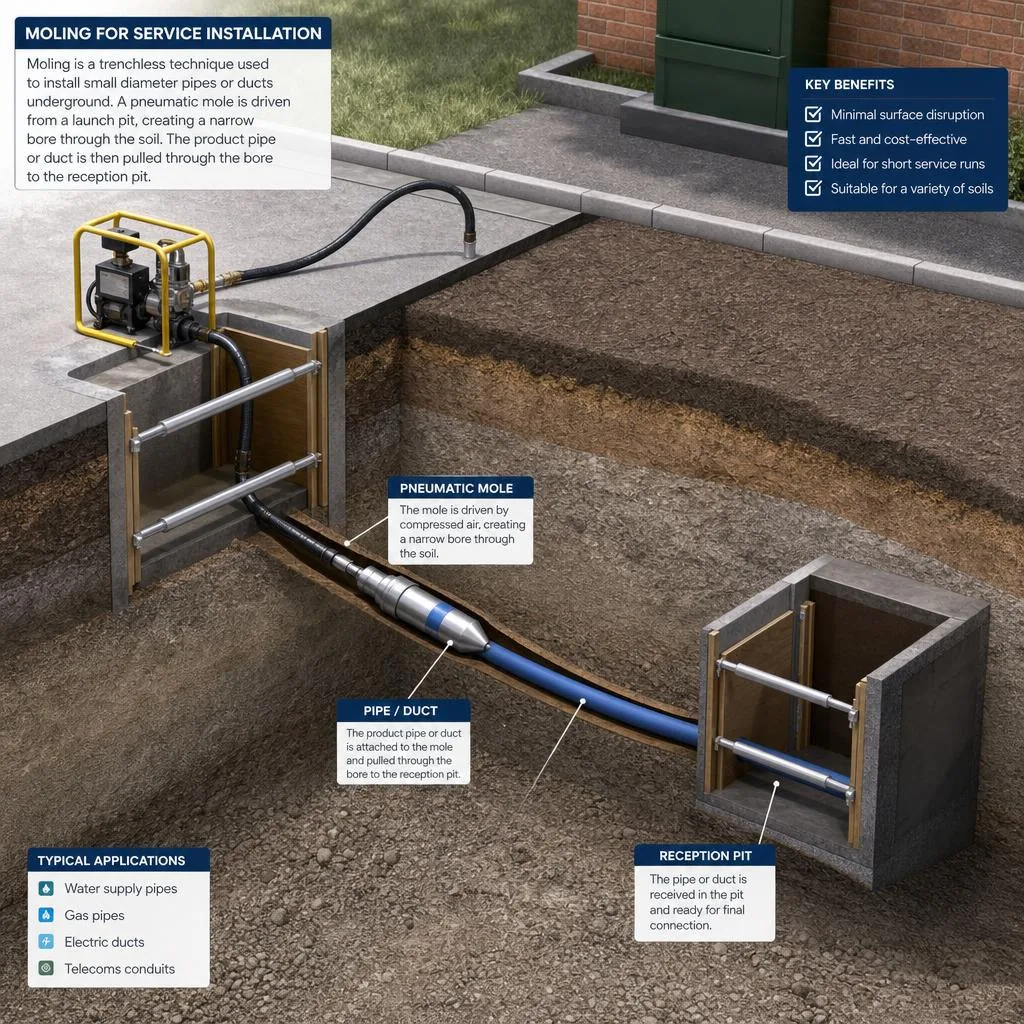
Moling
Moling is suited to shorter, smaller-diameter service runs where a compact trenchless installation is required.
View Moling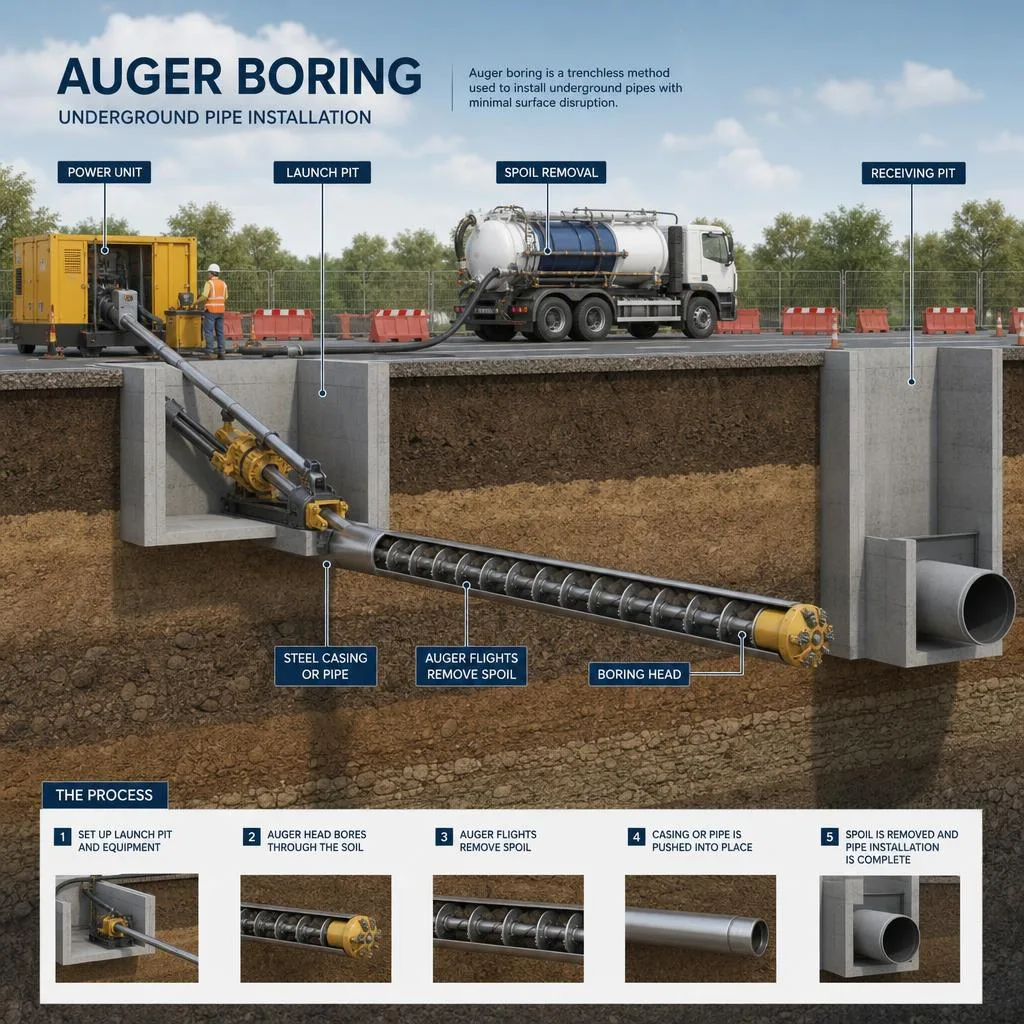
Pipe Reaming
Pipe reaming enlarges or prepares a bore path so a pipe, duct or casing can be installed through the route.
View Pipe ReamingService Group
Pipe Replacement And Renewal
Replacement and renewal methods are used where existing pipework needs to be replaced or lined without opening the full route from above.
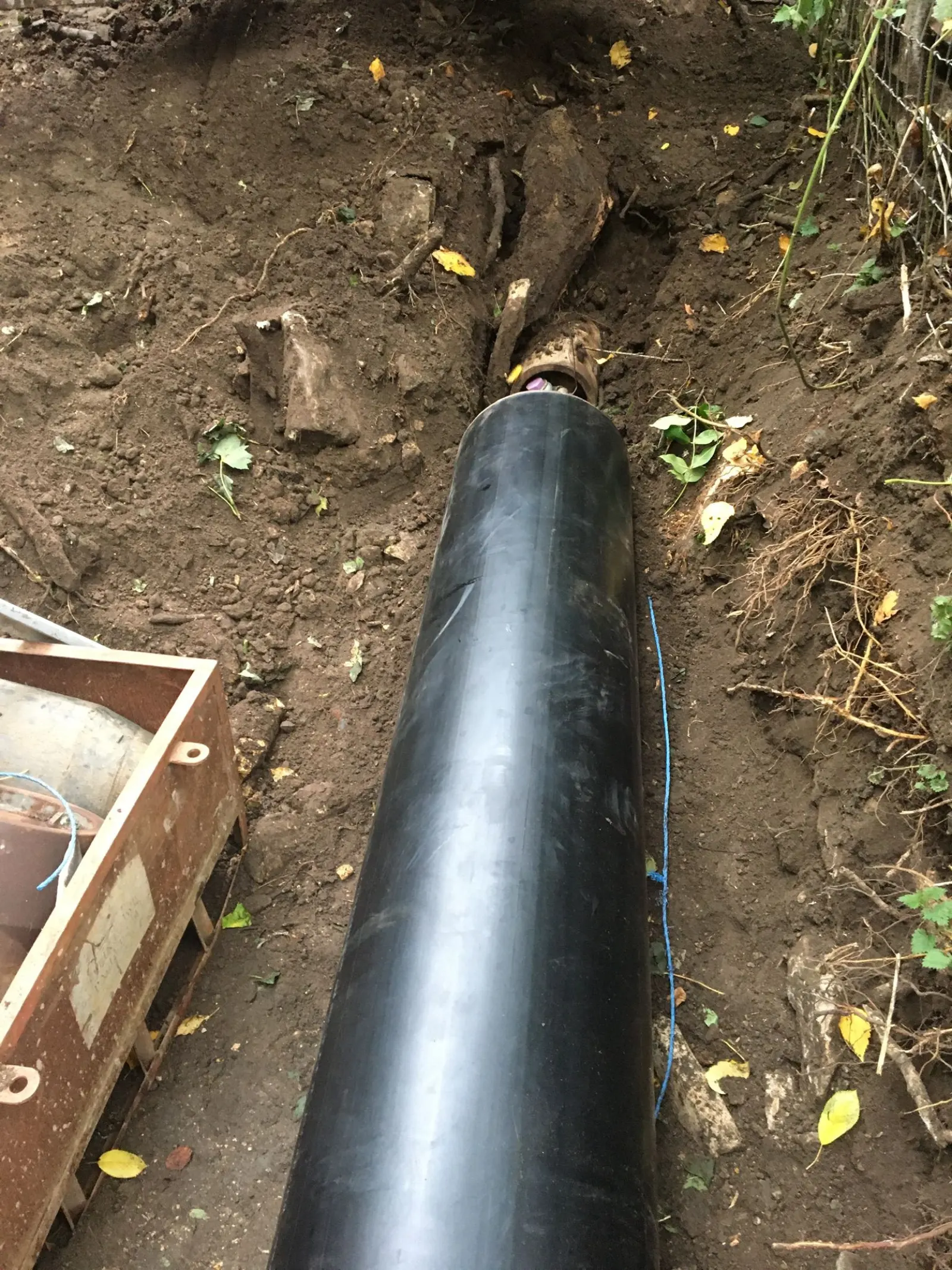
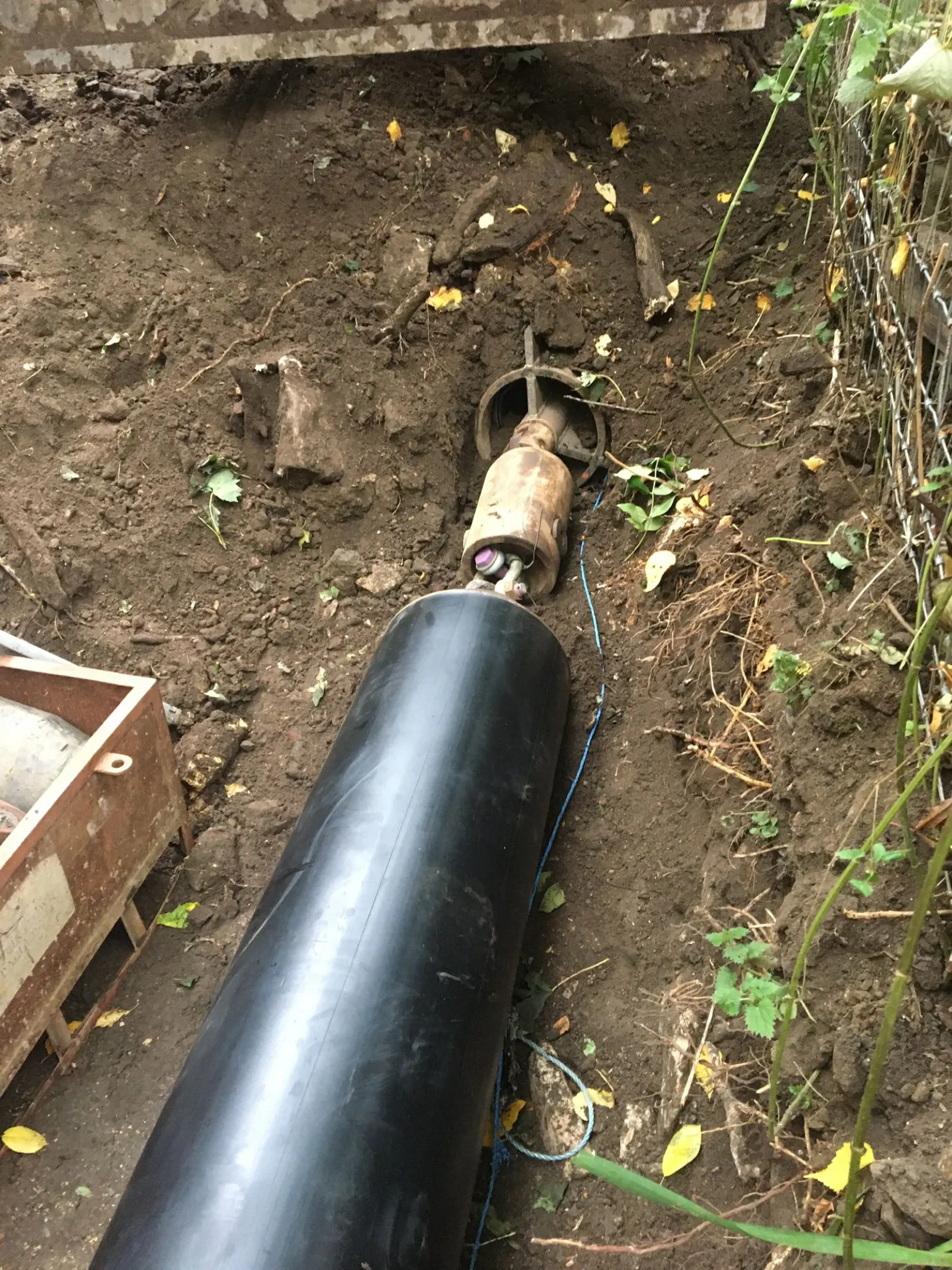
Pipe Bursting
Pipe bursting breaks the existing pipe outward while drawing new pipe into the same route, keeping excavation focused around access points.
View Pipe BurstingView Dunstan Pipe Bursting Case Study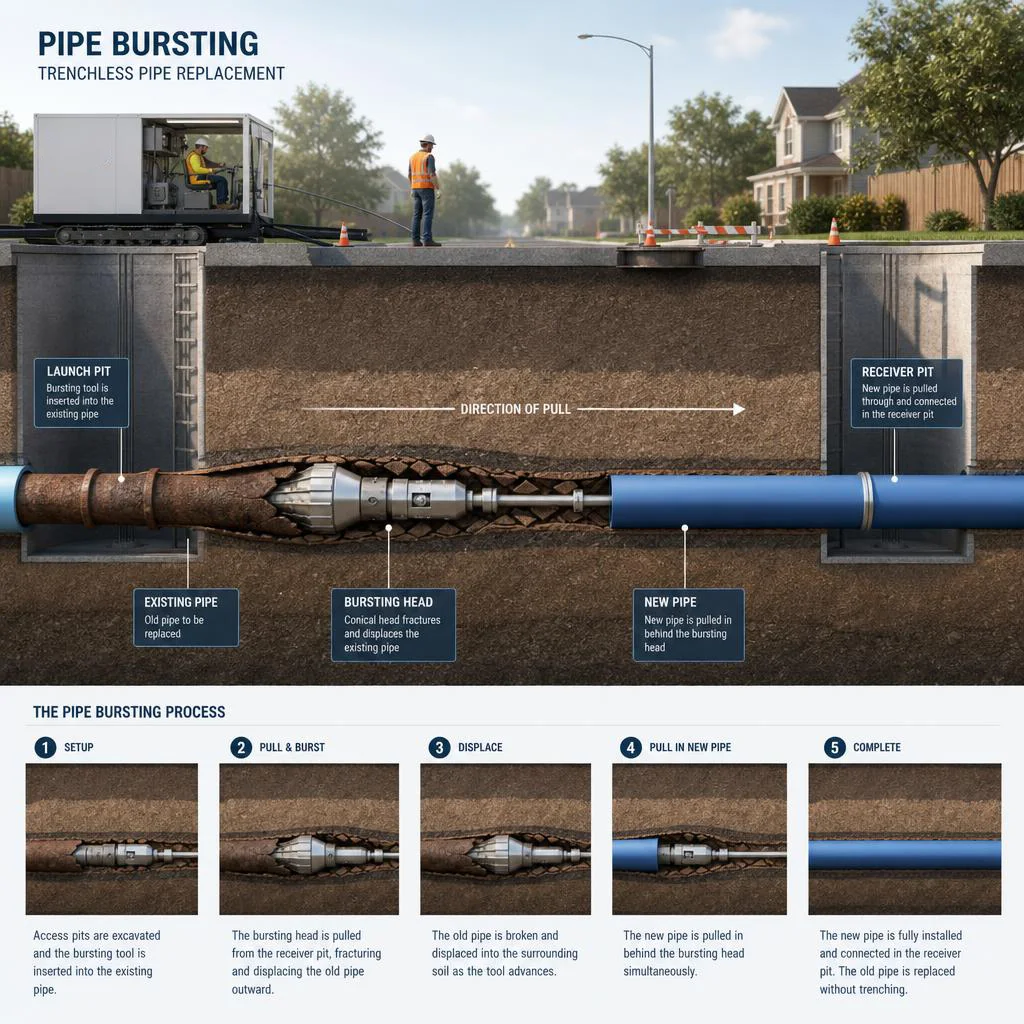
CIPP Lining
CIPP lining renews suitable existing pipe runs internally by installing and curing a liner inside the host pipe.
View CIPP LiningService Group
Chamber, Connection And Access Works
Some projects need controlled openings, chamber access or localised works around a structure rather than a long underground route.
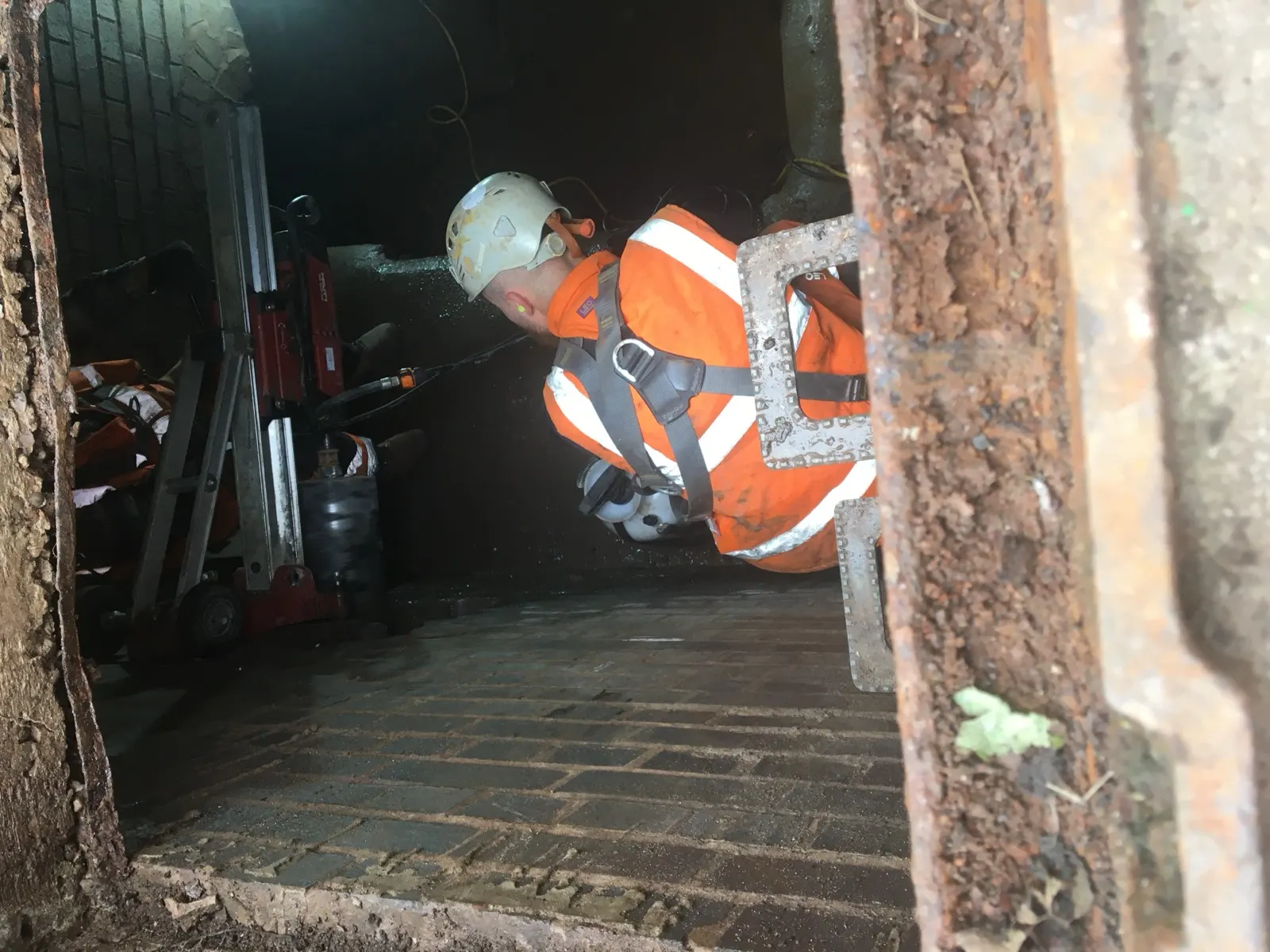
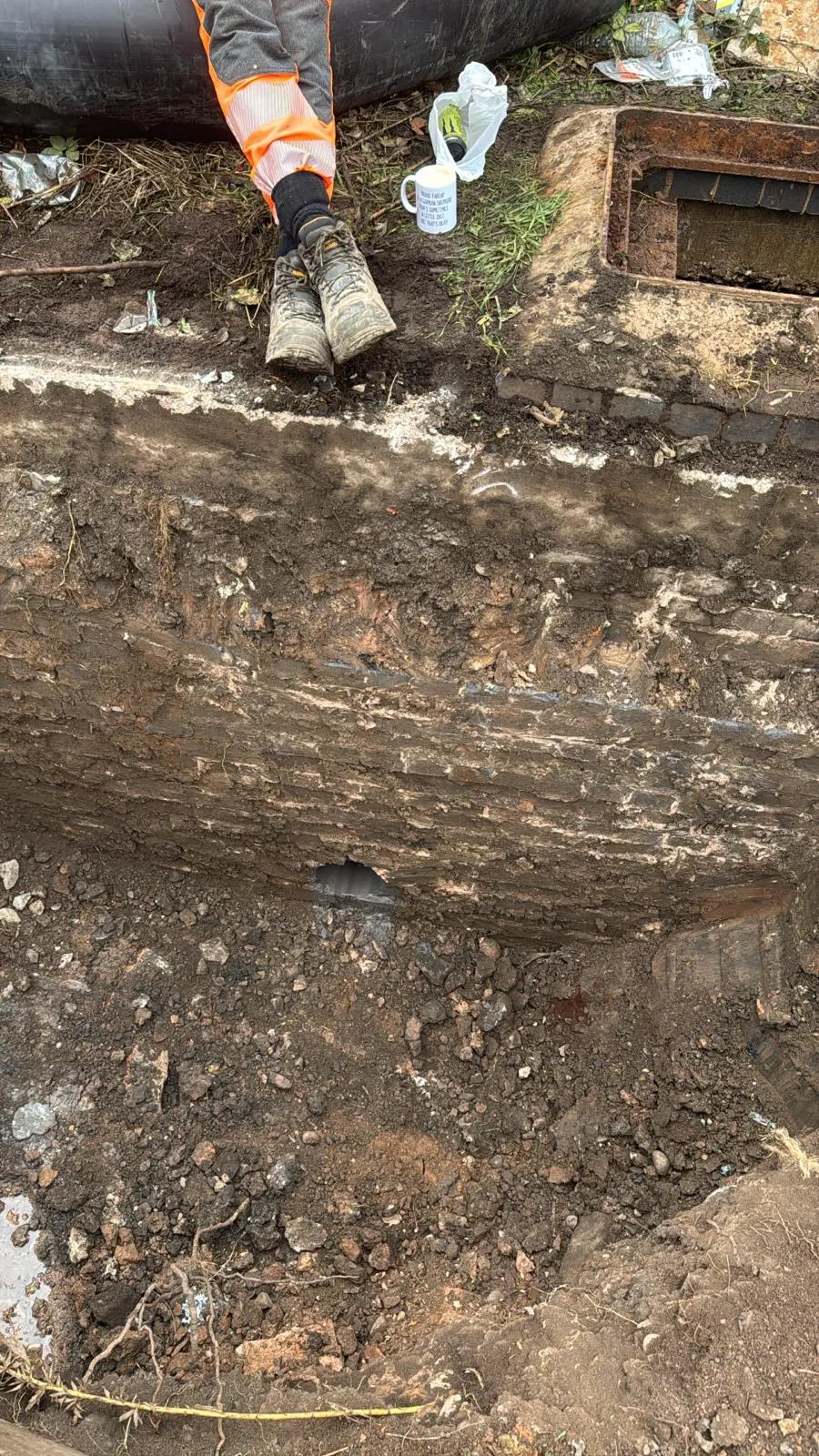
Core Drilling
Core drilling creates clean circular openings through chambers, walls and structures for service entries, connections and access works.
View Core DrillingView Alderton Core Drilling Case Study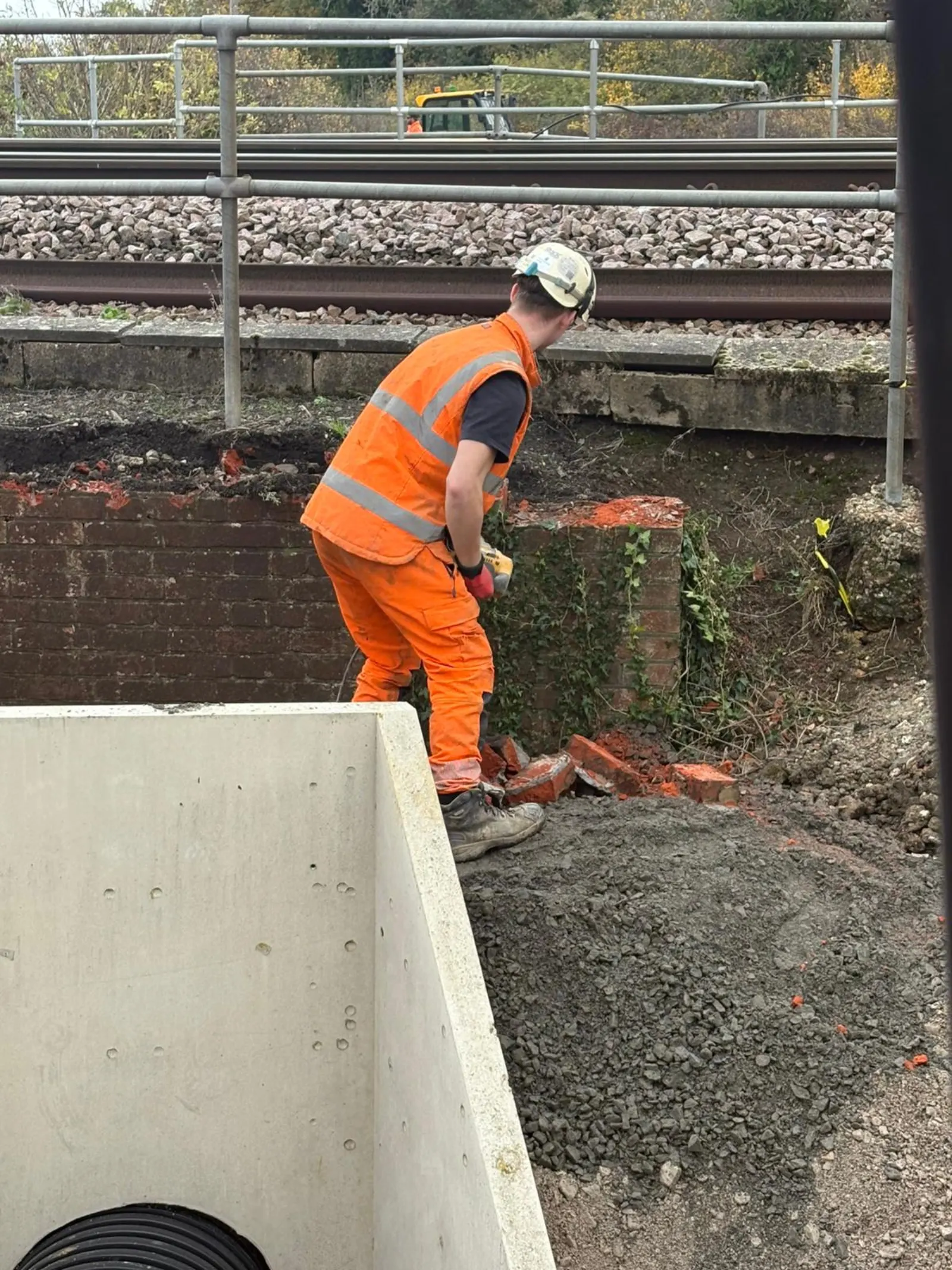
Access Pit And Service Opening Support
Access pits and service openings support trenchless works where the route needs a controlled entry, reception point, chamber connection or localised excavation.
View Chamber And Core Drilling WorksView Headwall Case StudyService Group
Pipe Jointing And Ground Support
Pipe jointing, casing installation and ground support often sit alongside the main trenchless method, helping prepare the route, protect the installation or support the surrounding site.
Pipe Ramming
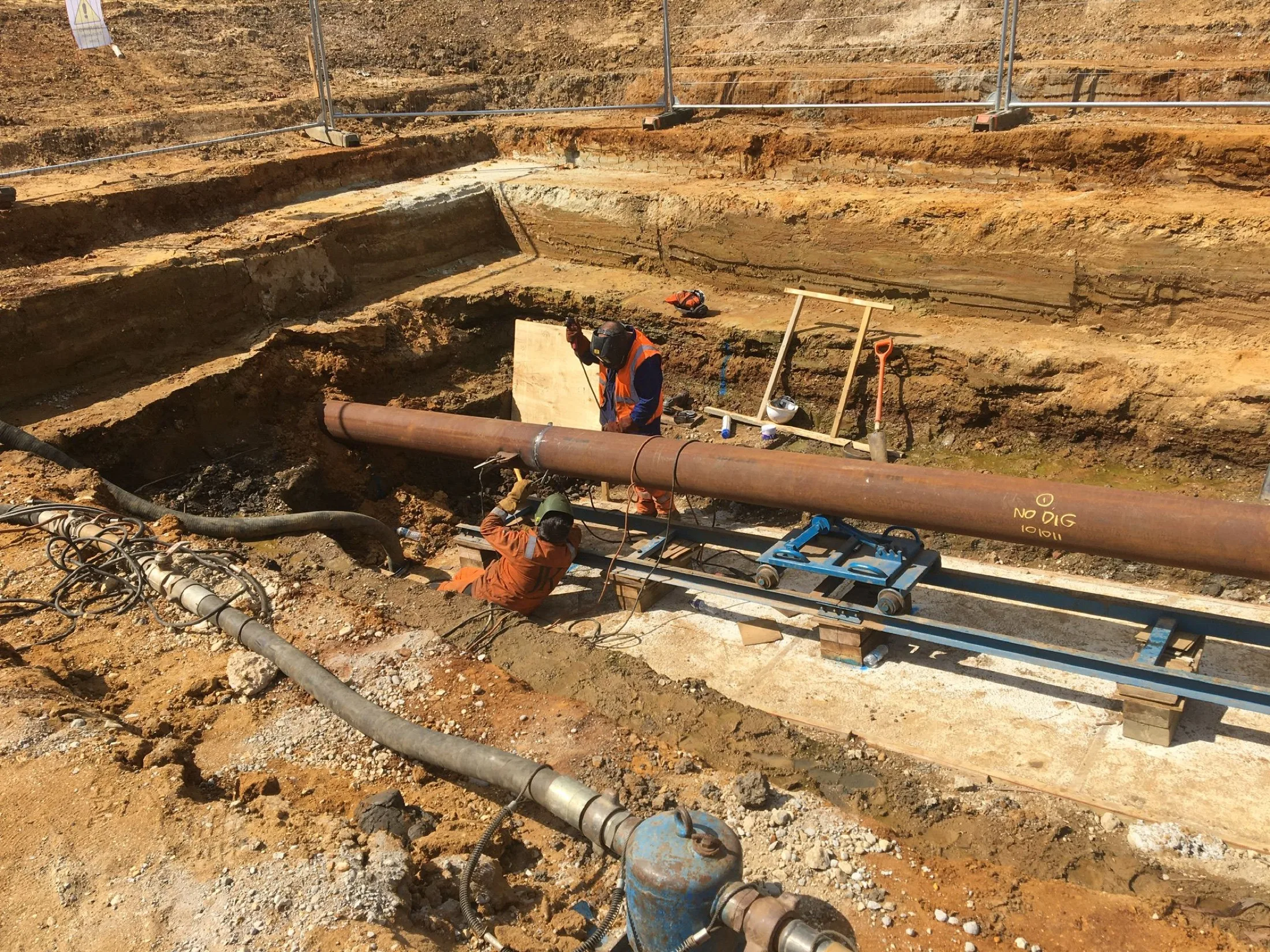
Pipe ramming uses pneumatic force to drive steel casing through the ground for crossings where open excavation would be difficult.
View Pipe RammingView Colchester Pipe Ramming Case Study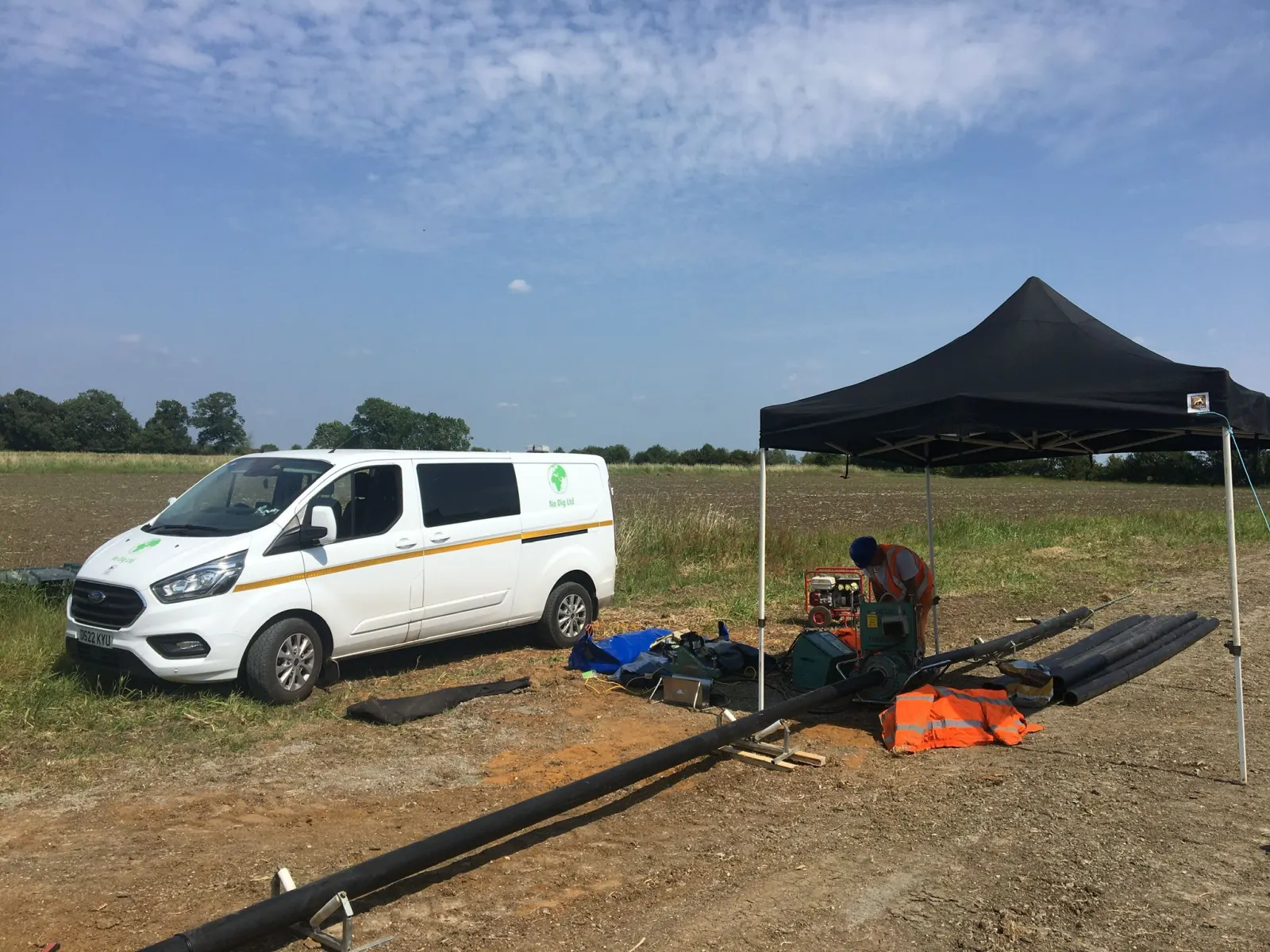
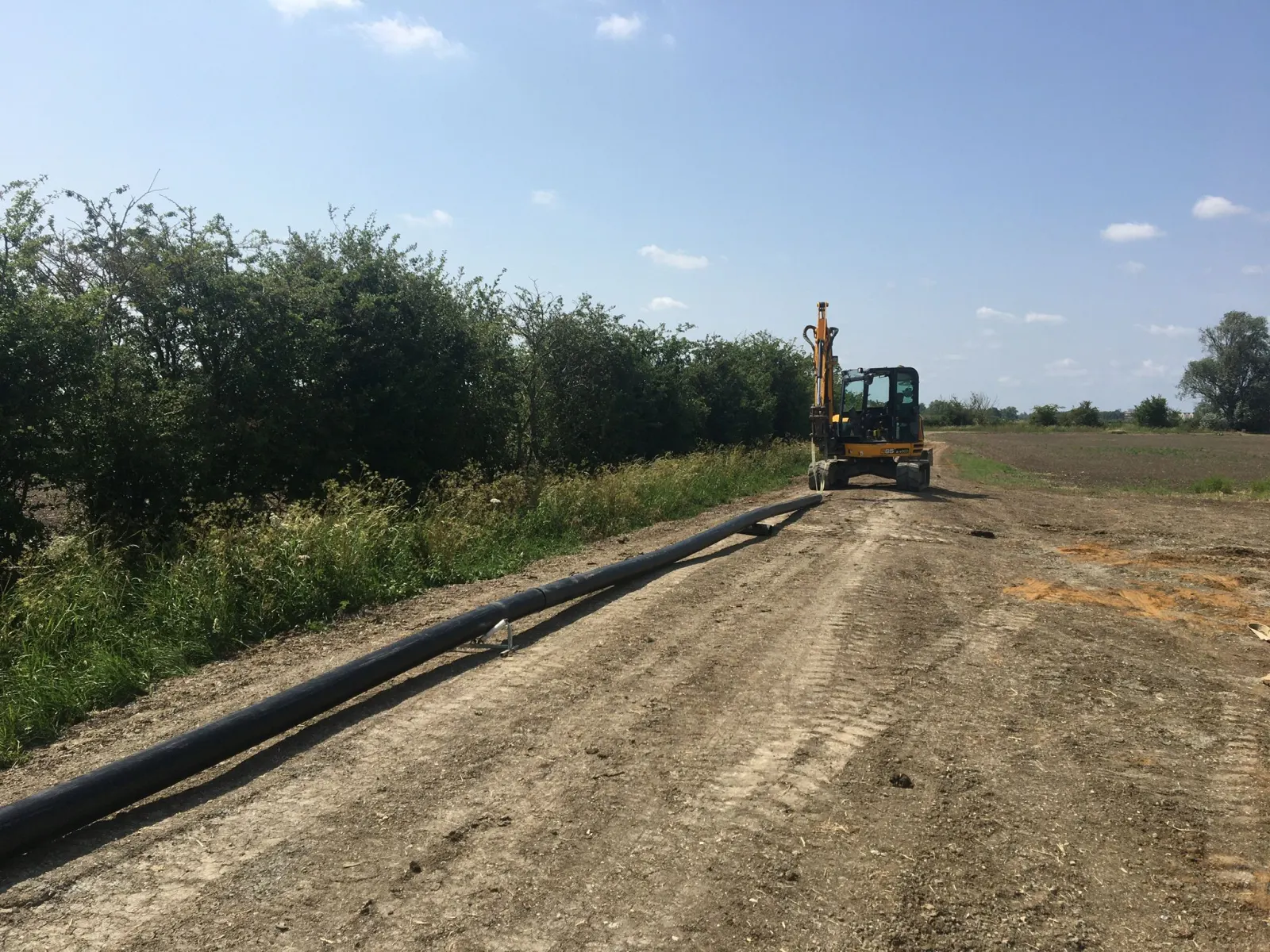
Butt Fusion Welding
Butt fusion welding joins HDPE pipe sections to create continuous pipe runs before or during underground installation works.
View Butt Fusion WeldingView Cambridge Butt Fusion Case Study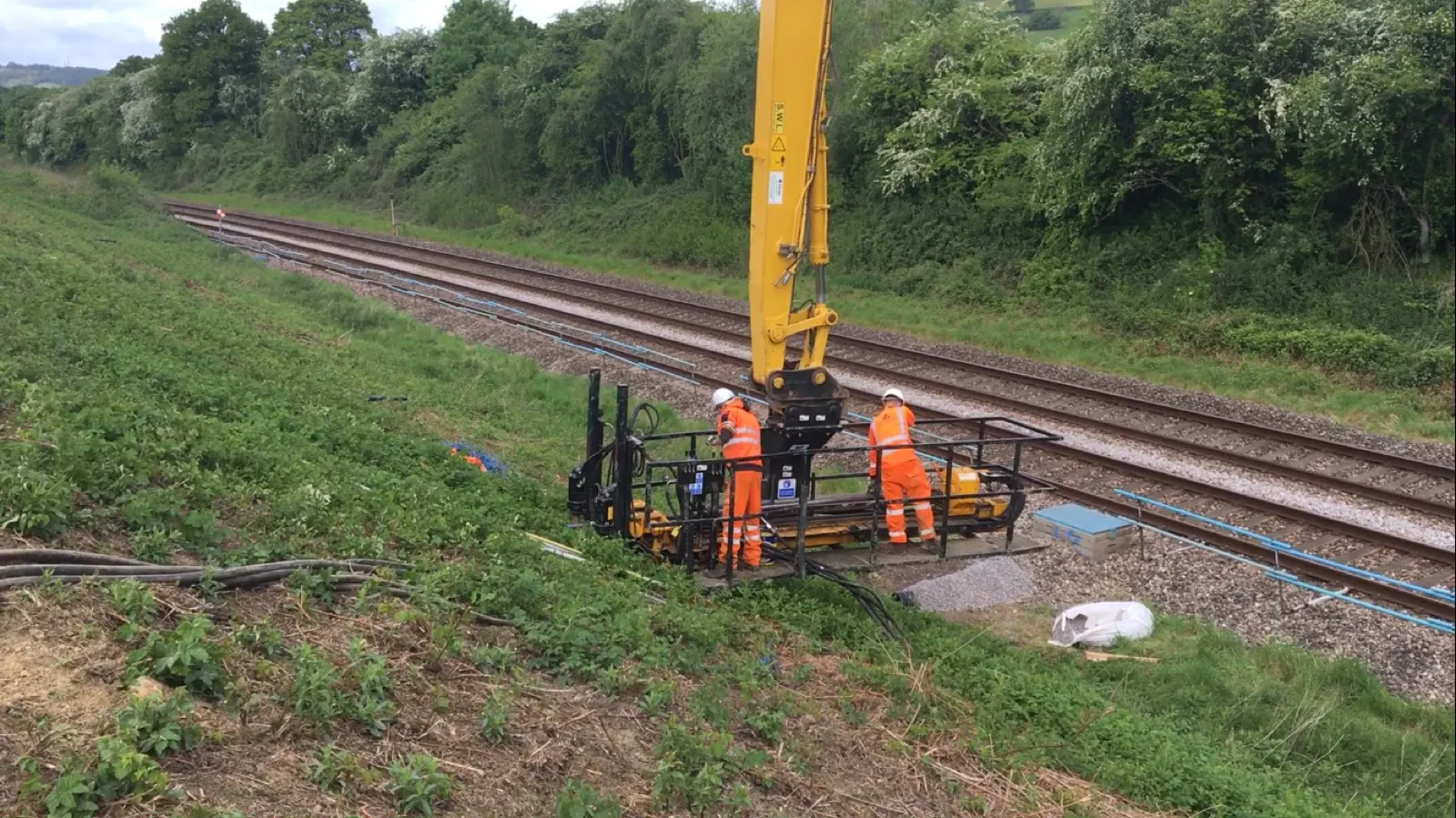
Embankment Stabilisation
Embankment stabilisation supports slopes and ground around infrastructure where stability, access and underground works need to be managed together.
View Embankment StabilisationView Bath Road Case StudyProject Evidence
Related Project Examples
These case studies show how No Dig Ltd methods are used across pipe replacement, guided augering, pipe jacking, core drilling, butt fusion and ground support works.
Guided Augering
Clapham Junction 610mm Guided Auger
Guided augering in a constrained infrastructure setting.
View Case Study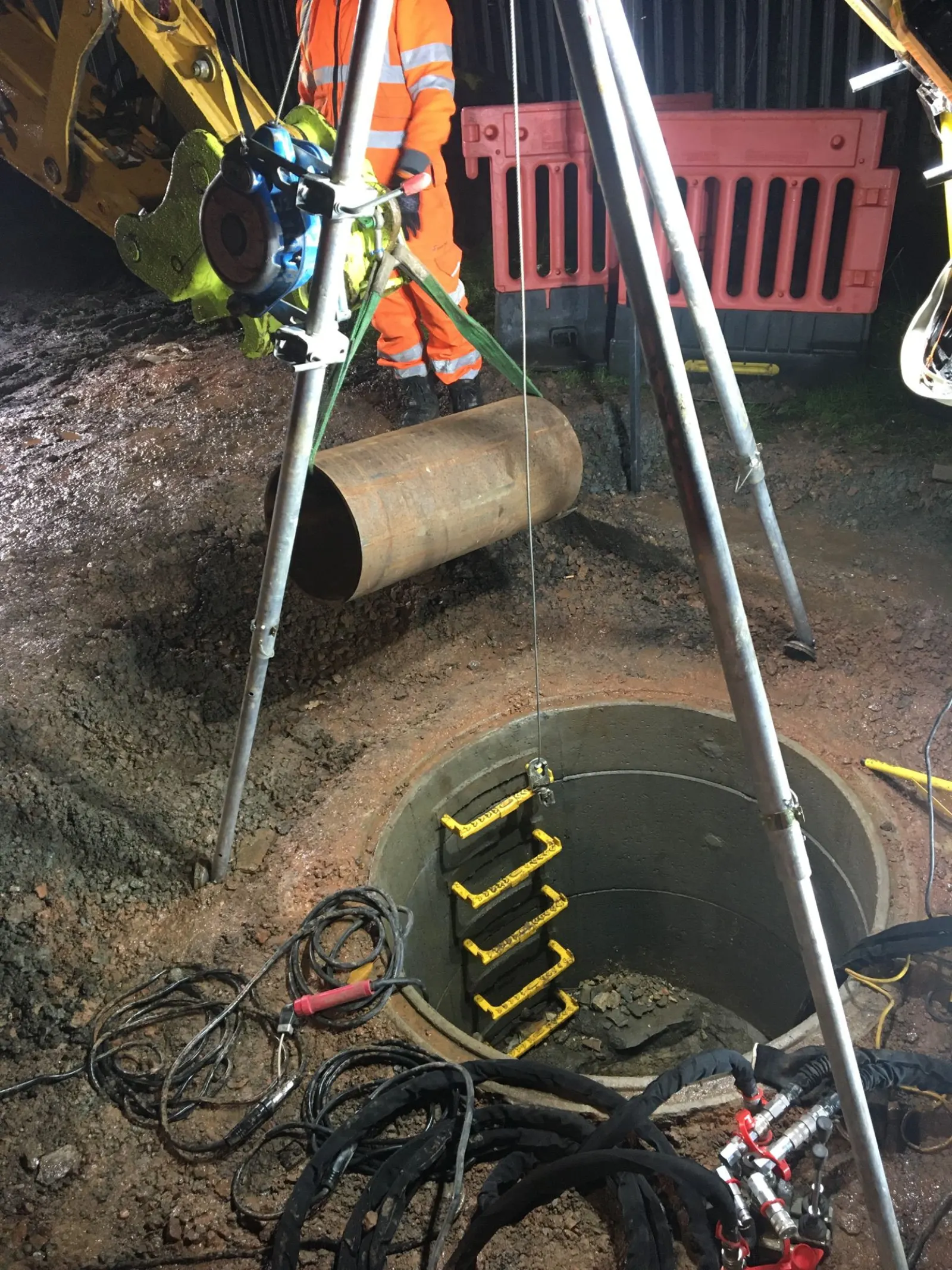
Pipe Jacking
Northolt 424mm Pipe Jacking
Pipe jacking works for a controlled underground route.
View Case StudyEmbankment Stabilisation
Bath Road Embankment Stabilisation
Ground support around an embankment environment.
View Case StudyHDD And Butt Fusion
Boston HDD And Butt Fusion
Trenchless installation support and HDPE jointing.
View Case StudyProject Enquiries
Not Sure Which Method Is Right?
Send the project location, route length, pipe or duct size, depth, ground details, access points, drawings and site photos where available. No Dig Ltd can help identify which trenchless method may be suitable.